
Irukandji Season…
Wait, What?!
Yep — it’s that time of year again: Irukandji Season, otherwise known as Stinger Season.
These tiny terrors of the sea pop up across Tropical North Queensland, all the way down to Gladstone, from roughly October/November through to May/June. If you're heading to the beach, keep an eye out for the warning signs — quite literally — as they’re your first clue that stingers might be cruising our local patch of ocean.
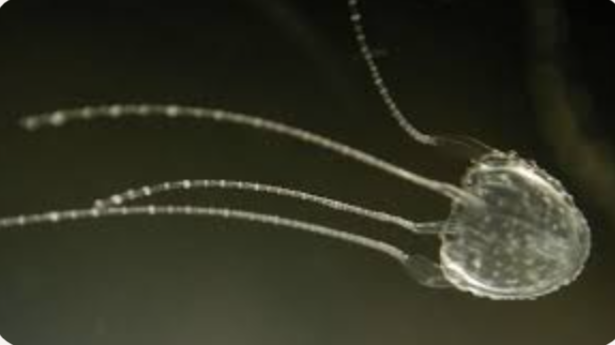
Image: Australian Institute Health of Tropical Health & Medicine
While Irukandji jellyfish love hanging out around reefs and islands, they can drift closer to shore when currents are feeling extra energetic. And here’s the kicker: they’re actually rather pretty. But, as with many gorgeous Aussie creatures, beauty often comes with a “handle with caution” label.
What really sets Irukandji apart is their size. These jellyfish are tiny. We’re talking fingernail tiny — about 2cm across, almost completely see-through, with just four long tentacles loaded with venom. They’re thought to have a river-based breeding cycle, and because they’re practically invisible, spotting one while swimming is… well, wishful thinking.
But in true Aussie style, we’re not letting a jellybean-sized prehistoric creature ruin our fun. Slip into a stinger suit, or swim inside designated jelly-net enclosures, and you can still enjoy the warm, clear waters of Far North Queensland — safely and happily.
For the safety of our guests, we strongly recommend swimming only between the designated lifesaving flags at the Mission Beach Surf Life Saving Club, where stinger nets are in place during the high-risk months.
If you choose to swim at Wongaling Beach during Irukandji season, always wear a protective stinger suit. Vinegar is available at the end of the path to the beach in a white tube with a red lid, and there is also a large bottle in the house for immediate first aid if a sting occurs, but it is vital to seek medical attention immediately—Irukandji stings can cause severe pain, paralysis, and can be life-threatening.
Your safety is our priority, and we encourage all guests to make informed choices when enjoying the ocean.
Further References
Consult https://lifesaving.com.au/clubs-and-beaches/mission-beach for more details specific to the Villages of Mission Beach.
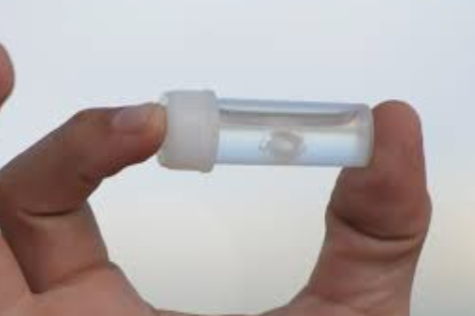
Image: GondwanaGirl 04:29, 6 January 2009 wikipedia
Planning a visit? Stay at Fridays At Three, located right on beautiful Wongaling Beach.